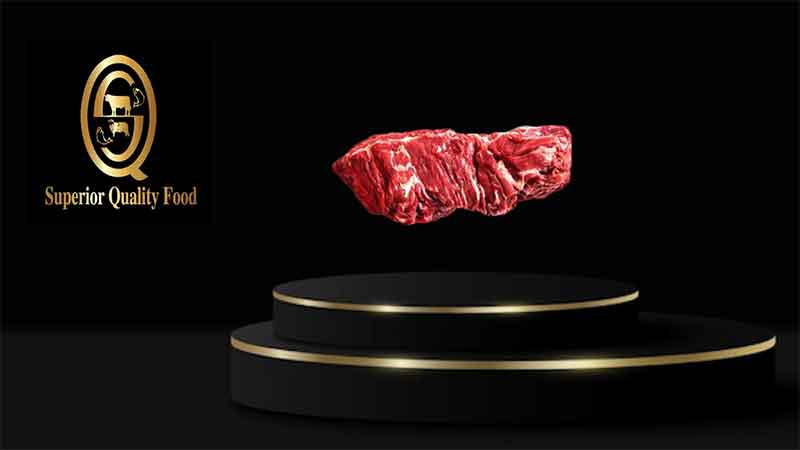
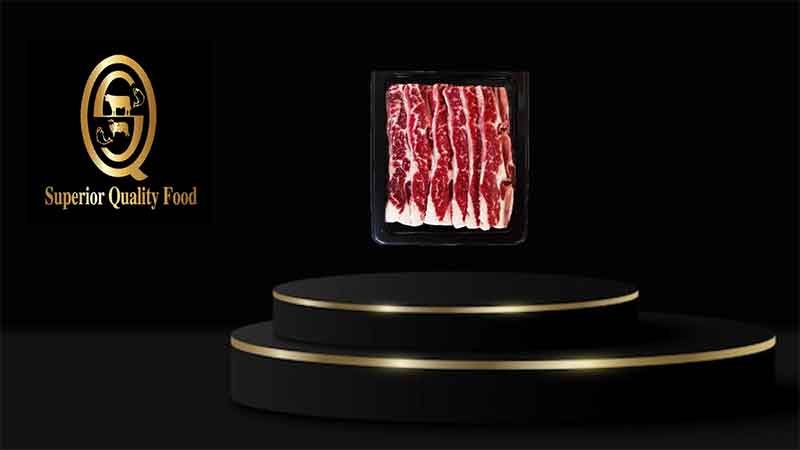
Brisket
Breast / Lower chest of the animalA flavorful working muscle with substantial connective tissue. Brisket becomes tender when collagen has time to break down during slow cooking.
Welcome to Superior Quality Food, your trusted online destination for premium halal meat, burger patties, beef jerky, and authentic Thai dipping and cooking sauces. We provide high-quality food products designed for home cooking, restaurants, catering services, and food businesses looking for authentic flavor and reliable quality.
Superior Quality Food helps foodservice buyers understand the relationship between meat cuts, product specifications, portion control, storage, menu application and supply planning. Whether you operate a restaurant, hotel, catering business, central kitchen or airline food service operation, the right specification can improve consistency, production efficiency and food cost control.
Meat supply for hotel restaurants, breakfast, buffets, banquets, room service, events and multiple food outlets.
From independent restaurants to multi-branch operations requiring reliable cuts and repeatable product specifications.
High-volume food preparation requires standardized products, predictable portions and coordinated delivery.
Large-scale food production requires highly consistent specifications, portioning, production planning and supply coordination.
| Menu Application | Common Product Direction | What to Consider |
|---|---|---|
| Steak & Grill | Ribeye, Striploin, Tenderloin, Sirloin, Rump | Tenderness, thickness, portion weight, trim and cooking method |
| BBQ | Brisket, Short Ribs, Short Plate, Lamb Ribs | Fat, connective tissue, cooking time and smoke / grill application |
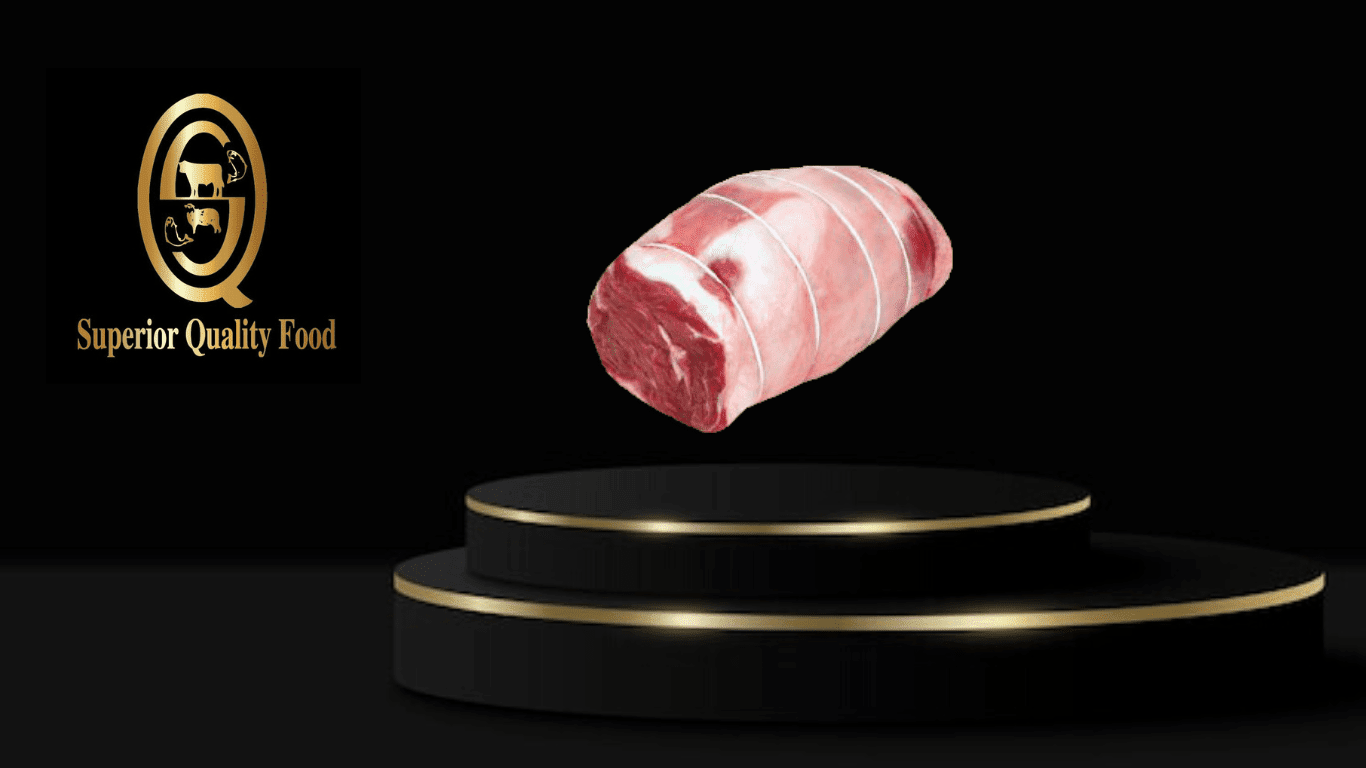
| Roasting | Beef roasting cuts, Lamb Leg, Lamb Rack | Size, bone-in / boneless, yield and presentation |
| Braising & Slow Cooking | Brisket, Short Ribs, Shank, Shoulder | Connective tissue, collagen, cooking time and moisture |
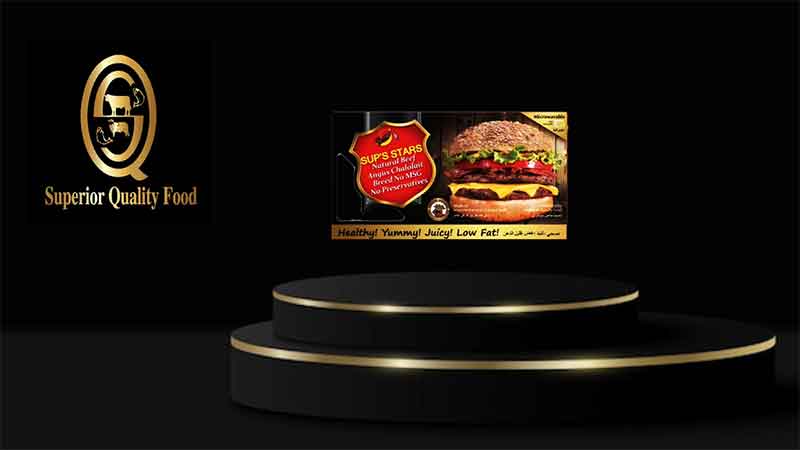
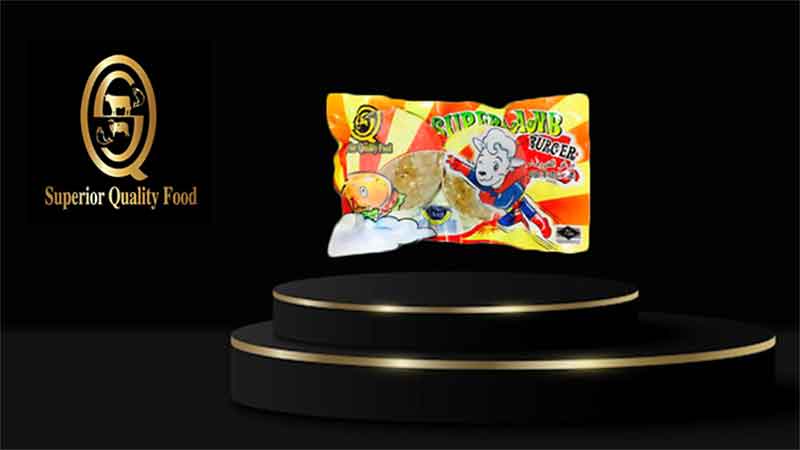
| Burger & Minced Applications | Ground Beef, Ground Lamb, Burger Patties | Fat ratio, grind, portion weight and cooking yield |
| Buffet & Banquet | Roasting cuts, steaks, minced products and processed products | Volume, consistency, production time and portion control |
Suitable when the kitchen requires flexibility to portion, trim or prepare the product.
Helps standardize plate presentation, cooking time and food cost.
Often selected for presentation, roasting, grilling and specific culinary applications.
Can simplify portioning, preparation and processing in professional kitchens.
Used for burgers, meatballs, sauces and other standardized foodservice applications.
Useful for stews, curries, prepared dishes and production kitchens where labor efficiency matters.
Often suitable for foodservice operations with shorter inventory cycles and frequent deliveries.
Can support longer inventory planning and high-volume foodservice operations.
Steak cuts, premium beef, lamb and other menu-specific products.
Sausages, bacon, burger products and other breakfast-oriented proteins.
Products that support consistent preparation, portioning and service volume.
Larger-volume roasting, grilling and portion-controlled applications.
Focus on cut consistency, thickness, marbling, trim, portion weight and cooking performance.
Balance menu quality, portion size, versatility and food cost.
Select products according to fat, connective tissue, cooking time and grilling method.
Consider sliced, diced, braising and quick-cooking applications.
Premium cuts can be specified around menu positioning and presentation requirements.
Focus on mince specification, fat ratio, portion weight and cooking consistency.
Consistent weight and dimensions can support repeatable production and meal assembly.
Product format should match the capabilities and workflow of the production kitchen.
Product handling, storage and documentation should follow the requirements of the operation.
Large-volume programs require coordinated purchasing, inventory and delivery planning.
Verify applicable certification and product documentation for the intended market.
Clear product specifications help buyers understand exactly what they are purchasing.
Appropriate cold-chain and food handling procedures remain essential throughout supply.
Tell us about your operation, menu application, required product, estimated volume and preferred supply format. Product specifications and foodservice requirements can then be discussed based on your operational needs.


Explore a wide range of halal-certified meat products carefully selected for freshness, flavor, and cooking performance. Our collection includes:
Perfect for grilling, barbecues, stir-fry dishes, burgers, rice meals, noodles, and restaurant-style cooking.
Bring authentic Thai flavor into your kitchen with our premium dipping sauce and cooking sauce products. From spicy chili sauces and seafood dipping sauces to curry sauces and Thai fusion flavors, our sauces are made to simplify cooking while delivering bold and authentic taste.
Popular uses include:
Superior Quality Food offers halal beef, lamb, seafood, ready-to-cook and ready-to-eat foods, Thai sauces and seasoning products for home cooking, restaurants, hotels, catering and food-service applications.
Choosing the right food product starts with understanding the ingredient, the cut, its texture, its fat characteristics and the cooking method it is designed for.
This guide gives customers a simple introduction to common meat cuts and food applications so international customers, foreign residents in Thailand, chefs, restaurant operators and home cooks can identify what they need before speaking with the sales team.
Are you preparing steak, BBQ, shabu, burger, roast, Thai food, seafood or another dish?
Which meat or ingredient do you need — beef, lamb, seafood, sauce or seasoning?
Which cut is appropriate for the cooking method?
Do you prefer a tender steak cut, a flavorful working cut, a fatty cut or a cut designed for slow cooking?
Are you buying for home cooking, a restaurant, hotel, catering operation or food-service business?
Understand the Cut Before Choosing the Beef
Beef cuts come from different muscles and parts of the carcass. Muscles that do less work are generally more tender, while working muscles tend to have more connective tissue and benefit from slower cooking. Fat distribution, marbling and cut thickness also affect the eating experience.
A flavorful working muscle with substantial connective tissue. Brisket becomes tender when collagen has time to break down during slow cooking.
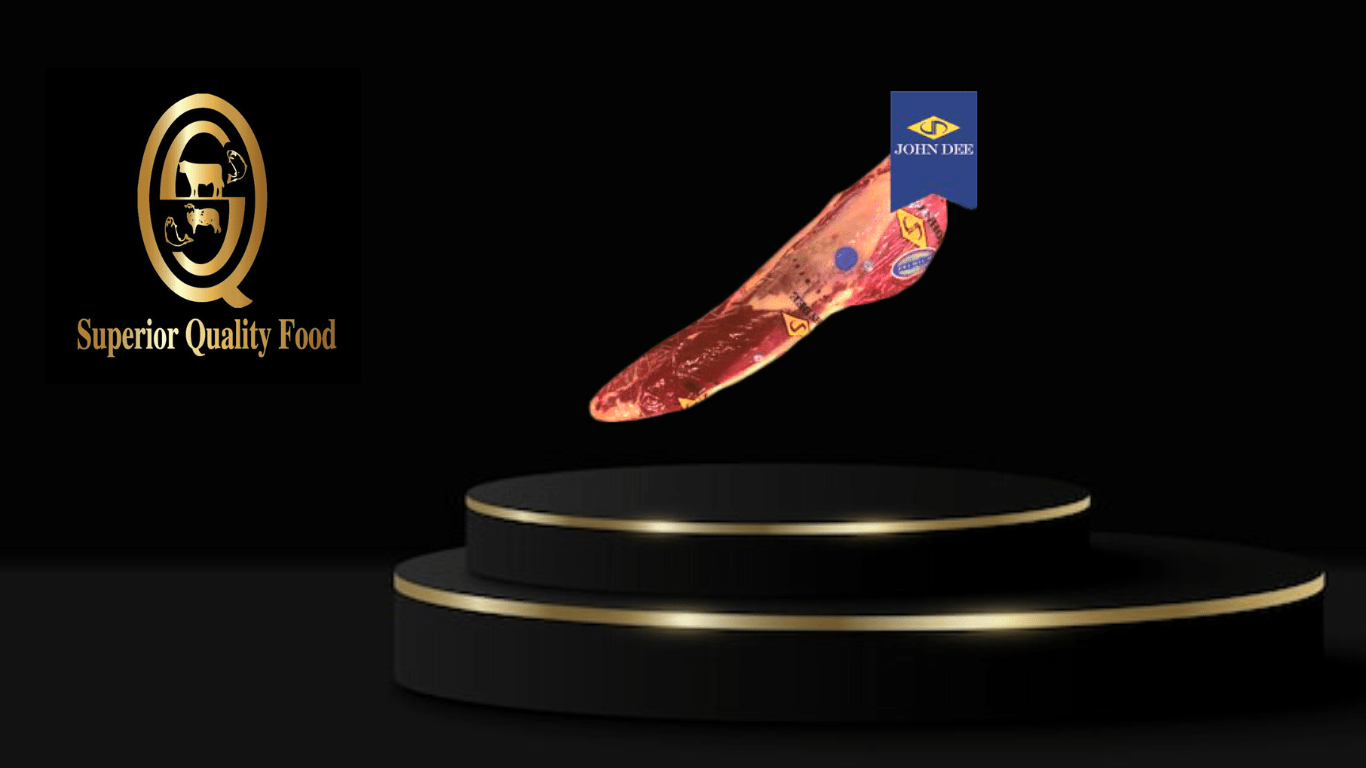
Angus describes cattle genetics or breed type rather than one specific cut. Angus beef can be supplied as different cuts such as ribeye, striploin, sirloin or tenderloin.
A loin cut with good beef flavor and a balance of tenderness and texture. It is a popular steak cut and can also be portioned into steaks or used as a roast.
Sirloin is a broad market term whose exact location and naming can vary by butchery system. It generally provides a balance of beef flavor, tenderness and value.
One of the most tender beef muscles because it performs relatively little work. It is naturally lean and has a delicate texture compared with more heavily marbled cuts.
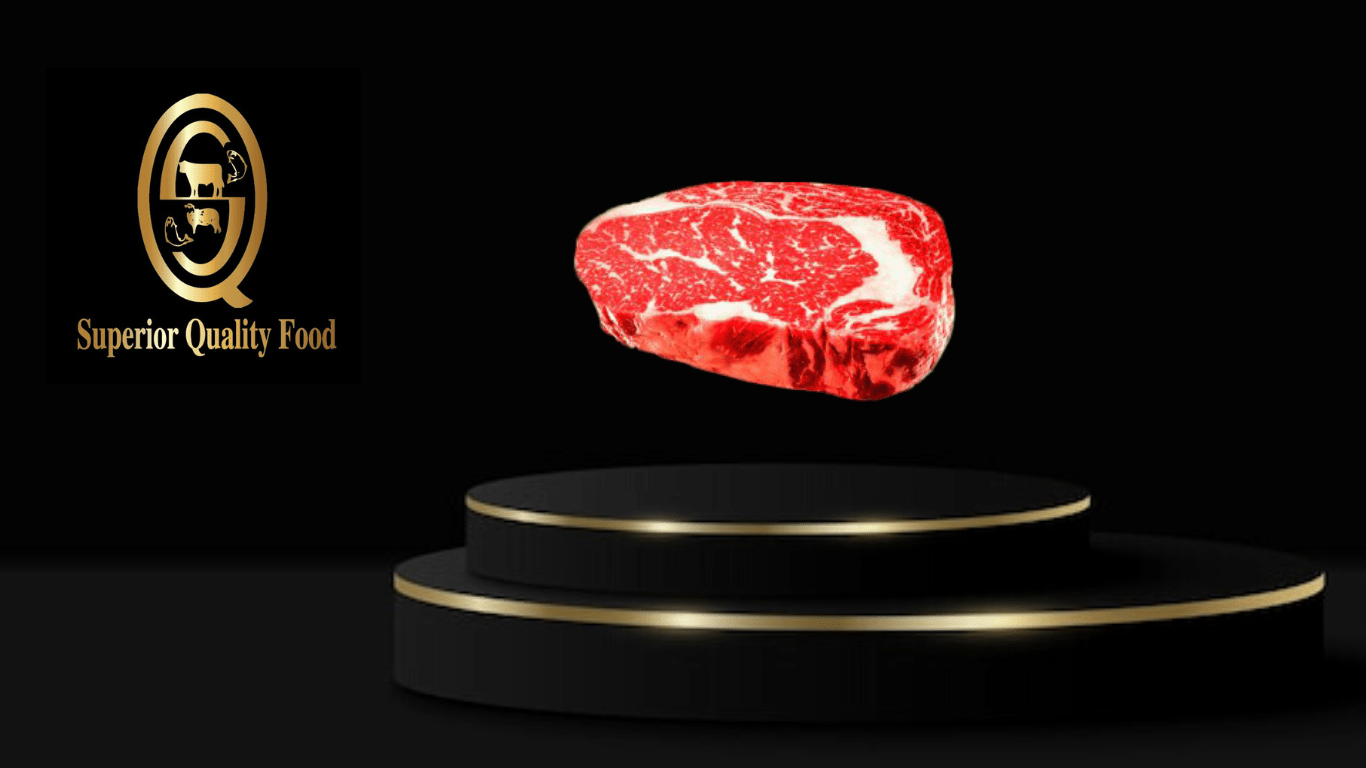
A richly flavored rib-area steak known for marbling and a juicy eating experience. The amount of marbling varies by product grade and specification.
A flavorful hindquarter cut with a firmer texture than tenderloin. Proper slicing and cooking can produce excellent results at a more accessible price point.
A relatively fatty section located beneath the rib area. It is a source of short ribs, skirt and other flavorful cuts and is widely used for BBQ, braising and high-heat preparations.
Beef bacon is a cured and often smoked beef product rather than a standard steak cut. Beef navel from the plate is commonly used because its layered fat and lean structure is suitable for a bacon-style product.
In Australian lamb terminology, chump comes from the upper hind leg near the hip and can be prepared as steaks, chops or roasts. In beef terminology, customers will more commonly encounter the term rump.
Understand the Cut, Flavor & Cooking Method
Lamb naturally has a distinctive aroma and flavor. Some of the compounds associated with the characteristic “lamby” or gamey aroma are concentrated in the fat. Trimming excess external and intermuscular fat can therefore reduce the intensity without removing all of the lamb's natural character.
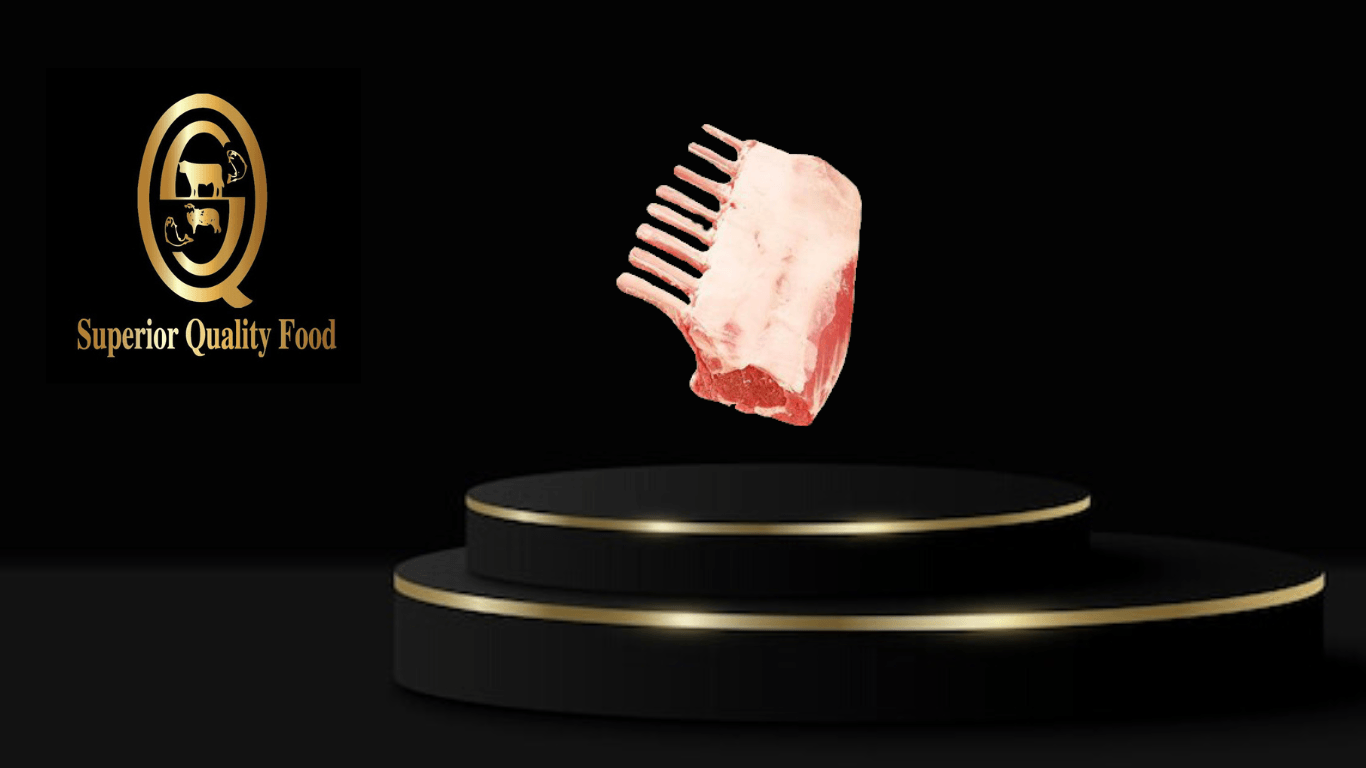
A tender rib cut prized for presentation and fine-dining applications. A rack can be roasted whole or divided into individual rib chops.
A flavorful, more economical rib cut with useful fat and connective tissue. It can be cooked slowly until tender or grilled after suitable preparation.
A large, versatile lamb cut with strong presentation value. Bone-in leg is commonly roasted whole and works well as a centerpiece for family meals, celebrations and catering.
One of the most versatile lamb cuts. Removing the bone makes the meat easier to portion, season, butterfly and carve, and allows greater flexibility for grilling or roasting.
A tender, flavorful hindquarter cut that can be prepared as a roast, steak or chump chop. The cap can be retained for additional fat and flavor or trimmed for a leaner result.
A flavorful and relatively lean lamb cut suited to roasting or portioning into steaks. It can also be diced or sliced for dry-heat cooking applications.
Seafood Ingredients for Thai, Asian & International Cuisine
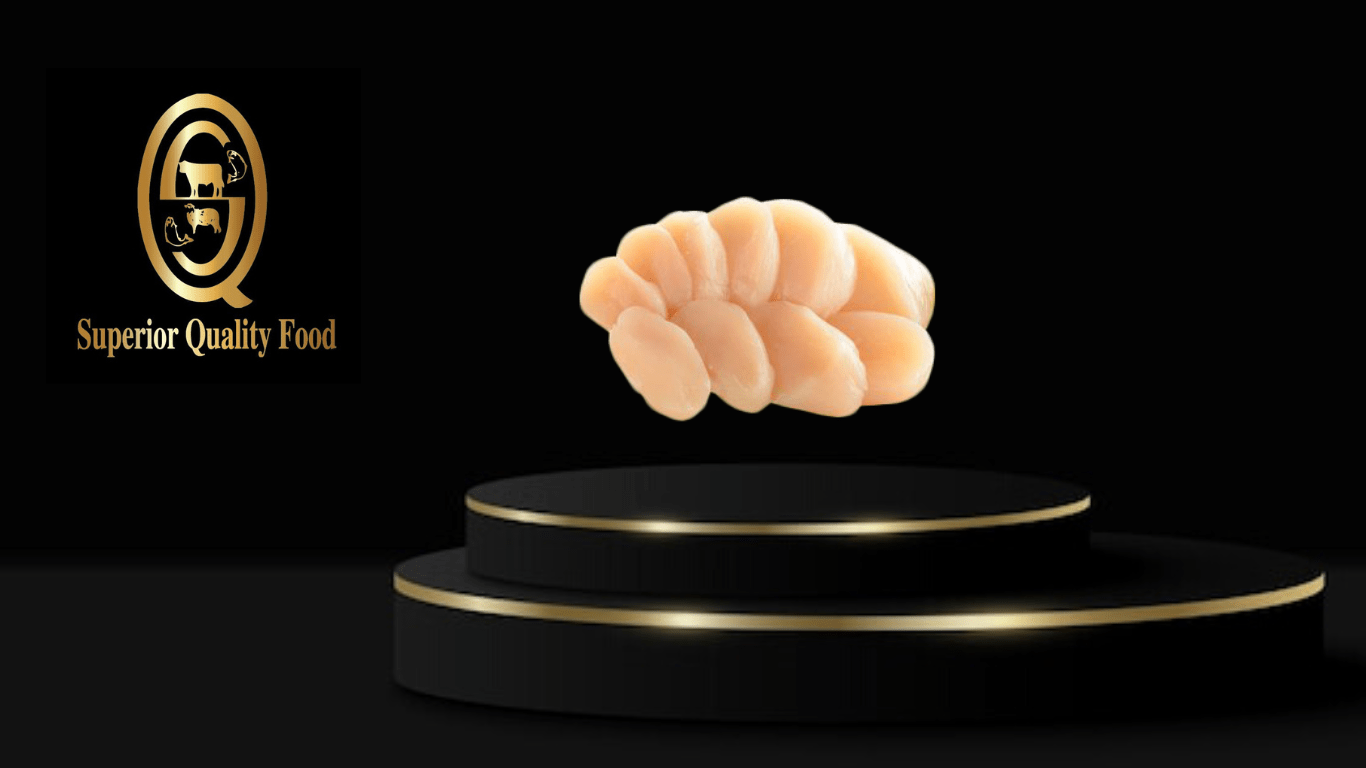
Thai seafood dishes, grilling, pan-searing, soups, stir-fry, Japanese-inspired dishes, Western cuisine, restaurant menus and catering.
Seafood selection should consider the species, product format, size, freshness or frozen condition, intended cooking method and individual product specification.
Follow the product's storage, thawing and cooking instructions. Keep raw seafood separated from ready-to-eat foods and maintain appropriate cold-chain handling.
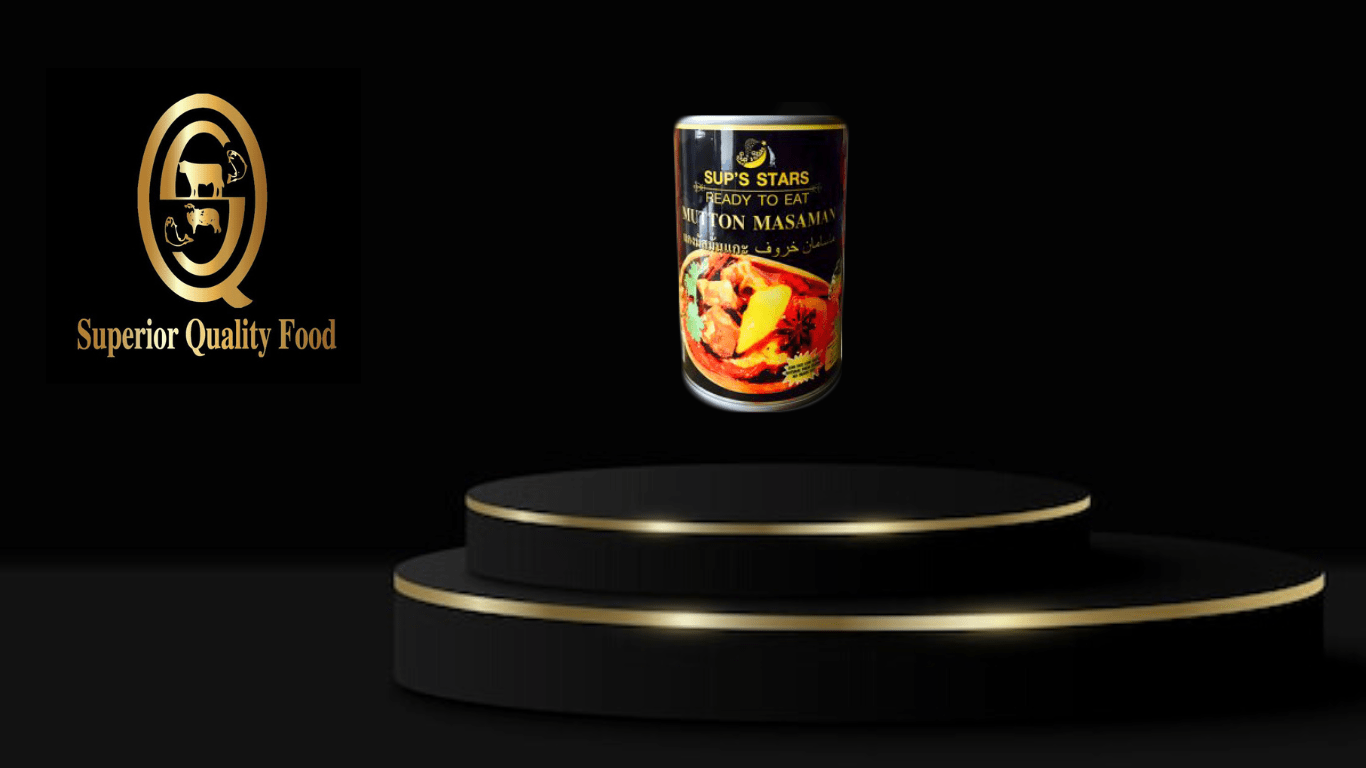
Convenient Halal Food Products for Home & Food Service
Quick meals, home cooking, restaurants, catering, hotels and convenience-focused menus.
Ready-to-cook ≠ ready-to-eat. Always follow the individual product preparation, storage and serving instructions.
Customers looking for convenience should identify whether they need a product that requires cooking or one intended for direct consumption.
Prepared Meat Products for Retail, Restaurants & Everyday Meals
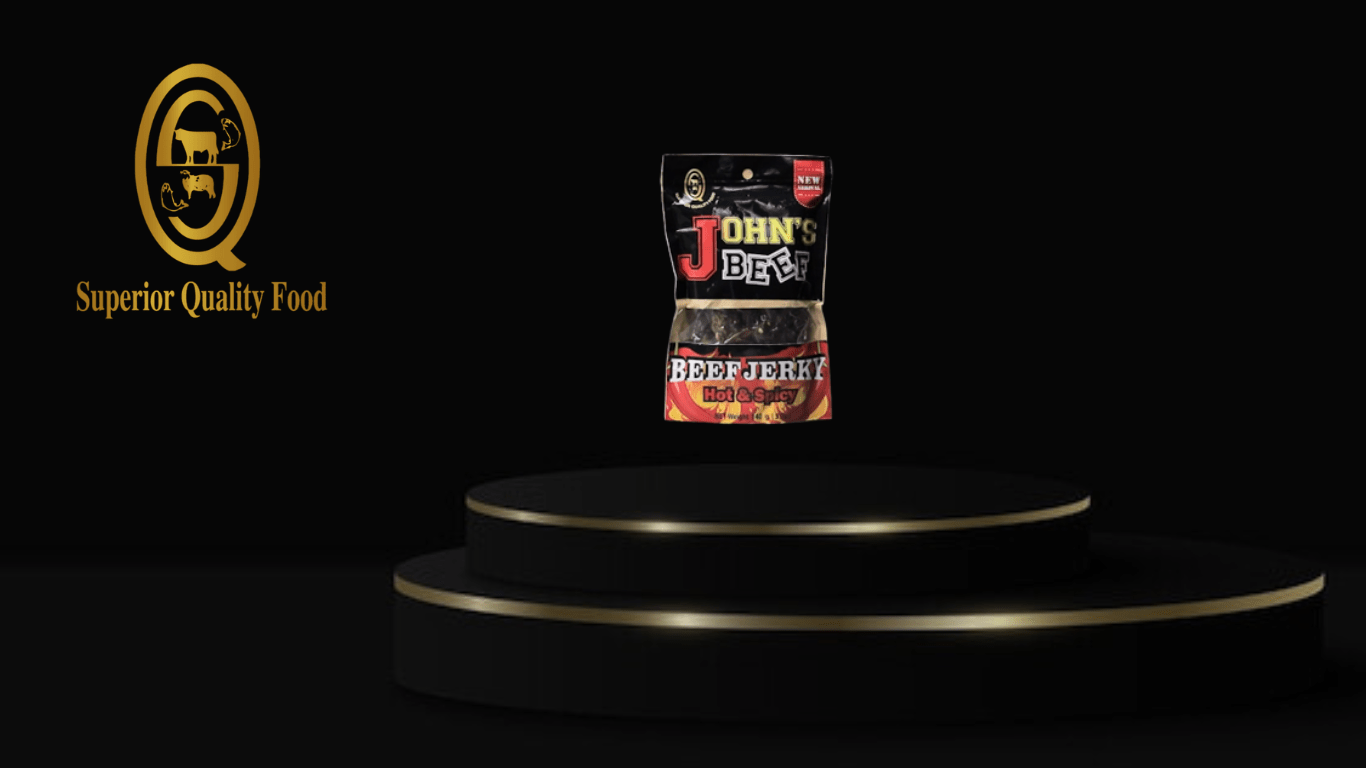
Burgers, snacks, quick-service menus, restaurants, catering and retail.
Processed products differ in formulation, preparation, storage and serving requirements. Always review the individual product information.
Burger patties, sausages and jerky can be understood as prepared food formats rather than traditional carcass cuts.
Thai Dipping, Cooking & Marinade Applications
Thai cooking, seafood, grilled meat, BBQ, stir-fry, curry, marinades and Asian fusion dishes.
Dipping sauce ≠ cooking sauce ≠ marinade. The correct application depends on the formulation and intended use of the product.
Customers unfamiliar with Thai food can choose a sauce by dish first — seafood, grilled meat, stir-fry, curry or dipping — rather than trying to understand every Thai product name.
Seasoning Powders, Flavoring Ingredients & Cooking Essentials
Thai cooking, meat preparation, soups, sauces, marinades, restaurants and home cooking.
Seasoning ≠ sauce. Seasoning is generally used to build or adjust flavor, while sauces can provide flavor, moisture or finishing depending on the product.
Choose seasoning according to the dish and cooking method rather than simply selecting the strongest or most familiar flavor.
Halal Meat, Seafood & Thai Ingredients for Professional Kitchens
Restaurants, hotels, catering companies, professional kitchens, retailers and hospitality businesses in Thailand and international markets.
Professional buyers may require different quantities, specifications, packaging, delivery arrangements and supply conditions from household customers.
Tell the sales team what you are preparing, which ingredient you need, the preferred cut or product format, intended application and approximate requirement.
Instead of choosing products one by one, start with the dish and build the ingredient combination around the cooking method.
Tenderloin · Ribeye · Striploin · Sirloin
Brisket · Short Plate · Lamb Ribs · Lamb Chump
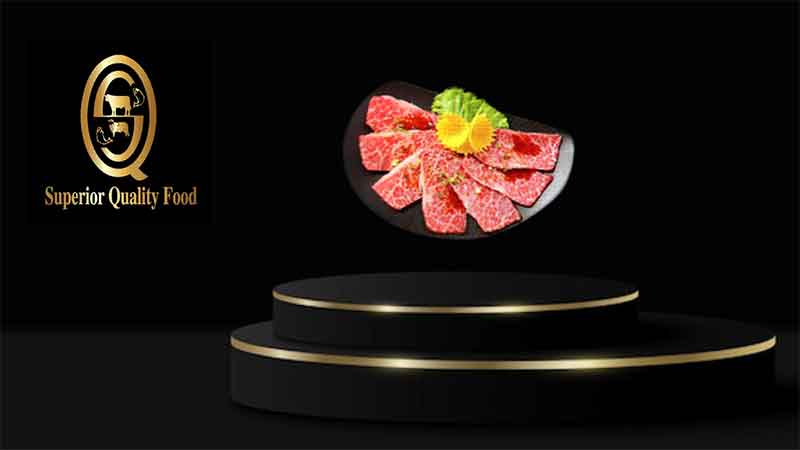
Thin-sliced beef · Seafood · Dipping Sauce
Brisket · Rump · Lamb Leg · Lamb Rack
Burger Patty · Beef Bacon · Sauce · Seasoning
Seafood · Thai Seasoning · Cooking Sauce
Lamb Rack / Ribs / Chump · Marinade · Sauce
Ready-to-Cook / Ready-to-Eat · Sauce · Serving Application
What are you preparing?
Steak, BBQ, burger, shabu, roast, Thai food, seafood or another dish.
What ingredient?
Beef, lamb, seafood, prepared meat, sauce or seasoning.
Which cut?
Brisket, ribeye, striploin, tenderloin, rump, rack, leg or another suitable cut.
Which cooking method?
Grill, pan-sear, roast, smoke, braise, slow cook, stir-fry or thin-slice.
Who is it for?
Home, restaurant, hotel, catering, retail or professional food service.
DISH → INGREDIENT → CUT → TEXTURE → COOKING METHOD → APPLICATION → PRODUCT → PURCHASE
Product availability, cut specifications, origin, certification, ingredients, packaging, storage requirements and supply conditions may vary by product. Cut names can also differ between international butchery systems. Customers should refer to the individual product page and current product documentation for exact specifications. For restaurant, hotel, catering and food-service requirements, contact Superior Quality Food for current product and supply information.